
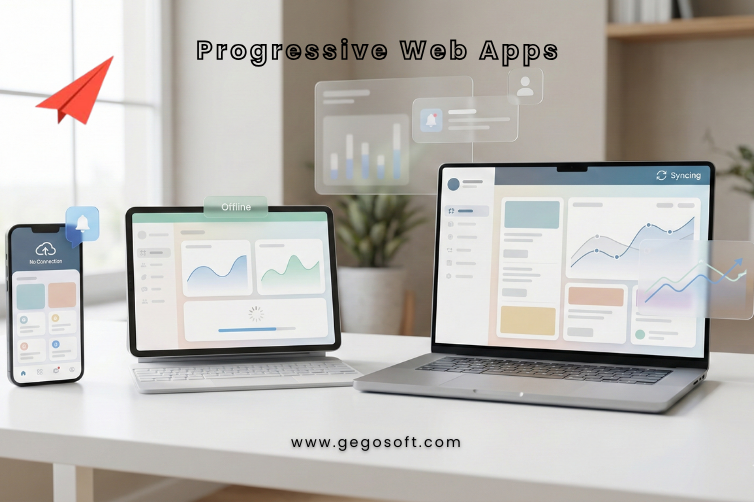
Imagine delivering app-like experiences—offline functionality, push notifications, home screen installation—without requiring users to download anything from app stores, wait for updates, or consume device storage. Progressive Web Apps make this possible, representing one of the most significant innovations in web technology over the past decade. Companies like Twitter, Starbucks, Uber, and Pinterest leverage Progressive Web Apps to deliver fast, engaging experiences that work everywhere while reducing development costs by 60% compared to maintaining separate native iOS and Android applications. Whether you’re launching a new product, improving an existing website, or seeking alternatives to expensive native app development, Progressive Web Apps offer compelling advantages that traditional websites and native apps cannot match.
Progressive Web Apps blur the line between websites and mobile applications, using modern web capabilities to deliver reliability, speed, and engagement that rivals native apps while maintaining the reach and accessibility of the web. This guide explores how Progressive Web Apps transform digital experiences and why businesses increasingly adopt this technology in 2025.
Understanding Progressive Web Apps in 2025
Progressive Web Apps are web applications built with standard web technologies—HTML, CSS, JavaScript—that deliver app-like experiences through modern browser capabilities. The “progressive” aspect means they work for every user regardless of browser choice, progressively enhancing features as browser capabilities allow. Core Progressive Web Apps characteristics include offline functionality through service workers, installability on device home screens, push notifications engaging users, fast loading through intelligent caching, and responsive design working across devices.
The technical foundation of Progressive Web Apps combines service workers (JavaScript running separate from web pages enabling offline functionality and background synchronization), web app manifests (JSON files defining app metadata, icons, and display preferences), HTTPS (required security layer), and responsive design ensuring experiences adapt to all screen sizes. Unlike native apps requiring separate development for iOS and Android, Progressive Web Apps use single codebases working everywhere—dramatically reducing development costs and maintenance complexity. When businesses partner with experienced application development companies, they gain expertise translating business requirements into Progressive Web Apps that deliver native-quality experiences through web technologies.
Research indicates Progressive Web Apps achieve 68% higher mobile engagement rates and reduce development costs by 60% compared to native apps, while eliminating app store distribution barriers and update friction that plague traditional mobile applications.
Strategic Advantages of Progressive Web Apps
Progressive Web Apps deliver compelling benefits that traditional websites and native applications cannot match, fundamentally changing how businesses approach mobile strategy.
Eliminates App Store Barriers and Update Friction
Native apps require app store approval, consuming weeks before launch and updates. Progressive Web Apps eliminate this bottleneck entirely—users access them instantly through URLs without installation friction. Updates deploy immediately benefiting all users without waiting for downloads or approvals. This freedom accelerates innovation, enables rapid experimentation, and removes gatekeepers controlling distribution. Businesses maintain complete control over Progressive Web Apps experiences without platform restrictions or revenue sharing requirements.
Dramatically Reduced Development and Maintenance Costs
Building native apps requires separate iOS and Android development, effectively doubling costs. Progressive Web Apps use single codebases working across platforms, typically costing 60-70% less than equivalent native development. Maintenance costs similarly decrease—bug fixes and feature additions happen once rather than multiple times. This efficiency enables smaller teams to deliver sophisticated experiences previously requiring much larger resources. Organizations redirect savings toward marketing, customer acquisition, or additional features rather than platform-specific development.
Superior Performance and User Experience
Progressive Web Apps load faster than traditional websites through service worker caching and optimized asset delivery. They work offline or on poor connections through cached content and background synchronization. Smooth animations and transitions create native-like fluidity. These performance improvements directly impact user satisfaction and business metrics—faster loading means lower bounce rates, better engagement, and higher conversion rates. When working with professional technology partners, Progressive Web Apps receive optimization ensuring exceptional performance across network conditions and device capabilities.
Improved SEO and Discoverability
Unlike native apps requiring discovery through app store searches, Progressive Web Apps are indexable by search engines, discoverable through web searches, shareable via URLs, and linkable from any content. This discoverability dramatically reduces customer acquisition costs compared to paid app store promotion. Progressive Web Apps combine web reach with app functionality—the best of both worlds. Search engine optimization for Progressive Web Apps drives organic traffic while push notifications and home screen presence maintain engagement.
Core Technologies Powering Progressive Web Apps
Progressive Web Apps leverage several modern web technologies working together to deliver app-like experiences through browsers.
Service Workers for Offline Functionality
Service workers are JavaScript files running separately from web pages, intercepting network requests and enabling sophisticated caching strategies. They power Progressive Web Apps’ most distinctive features including offline functionality keeping content accessible without connectivity, background synchronization updating data when connections restore, push notifications engaging users even when apps aren’t open, and intelligent caching strategies optimizing performance. Service worker implementation requires careful planning—caching too much wastes storage while caching too little limits offline capabilities. Professional Progressive Web Apps development balances these considerations based on use cases and content types.
Web App Manifests for Installation
Web app manifests are JSON files providing browsers with metadata about Progressive Web Apps including name and short name displayed to users, icons for various sizes and contexts, start URL defining launch behavior, display mode controlling browser UI visibility, and theme colors matching brand identity. Proper manifest configuration enables Progressive Web Apps installation to device home screens, appearing alongside native apps. Users launch Progressive Web Apps like any app without distinguishing them from native alternatives. When businesses engage experienced mobile development teams, manifest configuration optimizes installation prompts and user experiences.
Modern Web APIs Enabling Native-Like Features
Progressive Web Apps access numerous device capabilities through modern web APIs including geolocation for location-based features, camera and microphone access for media capture, file system APIs for document management, payment request API for streamlined checkout, web share API for content sharing, and credential management for secure authentication. While not matching complete native API access, Progressive Web Apps capabilities continue expanding as browser vendors add support for more device features. Current Progressive Web Apps can accomplish most common use cases without native development.
Responsive Design and Adaptive Interfaces
Progressive Web Apps must work across all devices and screen sizes. Responsive design ensures layouts adapt appropriately, touch interactions optimize for mobile usage, and experiences remain consistent from smartphones to desktops. Unlike native apps targeting specific platforms, Progressive Web Apps truly work everywhere—phones, tablets, desktops, even emerging form factors like foldables. This universality represents significant advantage over platform-specific native development.
Industry data shows Progressive Web Apps like Twitter Lite reduce mobile data consumption by 70% while increasing engagement by 65%, demonstrating how performance optimization and offline capabilities drive user satisfaction and business metrics simultaneously.
Progressive Web Apps Development Best Practices
Building successful Progressive Web Apps requires following established best practices ensuring performance, reliability, and user experience excellence.
Implementing Effective Caching Strategies
Service worker caching strategies determine Progressive Web Apps performance and offline capabilities. Common approaches include cache-first for static assets loading instantly from cache, network-first for dynamic content fetching fresh data when available, and stale-while-revalidate serving cached content while updating in background. Optimal Progressive Web Apps combine strategies based on content type—images and CSS cached aggressively while API responses use network-first with cache fallbacks. Professional development teams architect caching strategies balancing performance, freshness, and storage constraints.
Optimizing for Performance and Core Web Vitals
Progressive Web Apps should achieve exceptional Core Web Vitals scores through code splitting loading only necessary JavaScript, lazy loading images and content below fold, critical CSS inlining for faster initial render, and compression reducing transfer sizes. Google’s Lighthouse tool measures Progressive Web Apps performance against best practice criteria, providing actionable recommendations. High-performing Progressive Web Apps load in under two seconds even on slower mobile networks—essential for user satisfaction and search rankings. When partnering with experienced WordPress developers, Progressive Web Apps plugins and optimization techniques transform existing sites into high-performance applications.
Creating Effective Install Prompts
Browser install prompts encourage users to add Progressive Web Apps to home screens, but timing and context matter enormously. Best practices include delaying prompts until users demonstrate engagement, providing context explaining installation benefits, making prompts dismissible without annoying repetition, and testing prompt timing and messaging for optimal conversion. Well-implemented install prompts achieve 10-30% installation rates among engaged users while poorly timed prompts create frustration driving users away.
Designing Offline-First Experiences
Effective Progressive Web Apps anticipate connectivity issues rather than breaking when offline. Offline-first design caches essential functionality, queues actions for synchronization when reconnected, provides clear offline state indicators, and enables meaningful interaction even without connectivity. This resilience dramatically improves user experience especially in areas with unreliable connectivity or for users frequently switching between networks.
Progressive Web Apps vs Native Apps vs Traditional Websites
Understanding how Progressive Web Apps compare with alternatives helps determine optimal approaches for specific situations.
Progressive Web Apps Advantages Over Native Apps
Progressive Web Apps eliminate app store distribution barriers and approval delays, deploy updates instantly without user action, require single codebase reducing costs 60-70%, remain discoverable through web search, and avoid revenue sharing with platform owners. These advantages make Progressive Web Apps attractive for most use cases, particularly when rapid iteration, cost efficiency, and broad reach matter more than accessing every device capability.
Progressive Web Apps Advantages Over Traditional Websites
Compared to traditional websites, Progressive Web Apps offer offline functionality maintaining usability without connectivity, push notifications engaging users proactively, home screen installation increasing visibility, app-like performance through service worker caching, and native-feeling interactions and transitions. These capabilities create engagement and retention patterns more similar to native apps than traditional websites achieve.
When Native Apps Still Make Sense
Native development remains appropriate when applications require extensive device API access beyond web capabilities, demand absolute maximum performance for graphics-intensive experiences, need deep operating system integration, or target audiences expecting native app distribution. However, this territory shrinks as Progressive Web Apps capabilities expand and browser vendors add more device APIs. Many applications previously requiring native development now succeed as Progressive Web Apps. When working with strategic development partners, capability assessment determines whether Progressive Web Apps or native development best serves specific requirements.
Successful Progressive Web Apps Examples and Use Cases
Major companies demonstrate Progressive Web Apps effectiveness across industries and use cases, validating the technology for various applications.
E-Commerce and Retail
Alibaba’s Progressive Web Apps increased conversions by 76% while engagement doubled. Their offline capabilities ensure users can browse products even without connectivity, add items to carts, and complete purchases when reconnected. Push notifications drive repeat visits through personalized promotions and order updates.
Social Media and Content Platforms
Twitter Lite demonstrates Progressive Web Apps potential for high-engagement applications. Their implementation reduced data consumption by 70%, increased pages per session by 65%, and decreased bounce rates by 20%. Users in regions with expensive mobile data or unreliable connectivity particularly benefit from Progressive Web Apps efficiency.
Travel and Hospitality
MakeMyTrip’s Progressive Web Apps tripled conversion rates while reducing page load times by 38%. Offline functionality lets users access booking confirmations, travel itineraries, and essential information without connectivity—critical during travel when connectivity is often limited.
News and Publishing
The Washington Post’s Progressive Web Apps loads in under a second while engagement increased 23%. Push notifications drive traffic to breaking news while offline reading ensures content accessibility regardless of connectivity. Publishers appreciate Progressive Web Apps eliminating app store revenue sharing while maintaining direct customer relationships.
Frequently Asked Questions About Progressive Web Apps
Q: Do Progressive Web Apps work on iOS devices?
Yes, Progressive Web Apps work on iOS through Safari, though iOS implementation initially lagged Android. Recent iOS versions support core Progressive Web Apps features including home screen installation, offline functionality, and service workers. Some advanced features remain limited on iOS compared to Android, but Progressive Web Apps deliver good experiences on both platforms. Cross-platform testing ensures Progressive Web Apps work well across all target devices and operating systems.
Q: How much does Progressive Web Apps development cost?
Progressive Web Apps development costs depend on complexity, features, and design requirements. Simple Progressive Web Apps might range from $15,000-$40,000, medium complexity applications typically cost $50,000-$100,000, and sophisticated Progressive Web Apps can exceed $150,000. While representing significant investment, Progressive Web Apps typically cost 60-70% less than developing equivalent native apps for both iOS and Android. Organizations save ongoing costs through unified maintenance and immediate updates benefiting all users simultaneously.
Q: Can existing websites be converted to Progressive Web Apps?
Yes, existing websites can be progressively enhanced into Progressive Web Apps through adding service workers, implementing web app manifests, ensuring HTTPS, optimizing performance, and adding offline capabilities. Conversion complexity depends on current architecture—modern, well-structured sites convert relatively easily while older sites might require more substantial refactoring. Professional assessment determines optimal conversion approaches balancing costs against desired Progressive Web Apps capabilities. When engaging experienced development teams, they evaluate existing architectures recommending efficient paths to Progressive Web Apps functionality.
Q: What industries benefit most from Progressive Web Apps?
Progressive Web Apps deliver value across industries, particularly for e-commerce and retail needing fast, reliable shopping experiences, media and publishing distributing content efficiently, travel and hospitality providing offline access to bookings, financial services requiring security and performance, and social platforms demanding high engagement. Any industry where user engagement, performance, and cross-platform reach matter benefits from Progressive Web Apps. Industries with international audiences particularly appreciate Progressive Web Apps efficiency in regions with limited bandwidth or expensive mobile data.
Q: How do Progressive Web Apps impact SEO and discoverability?
Progressive Web Apps positively impact SEO through faster loading speeds improving rankings, better mobile experiences reducing bounce rates, offline capability preventing error pages from poor connectivity, and content remaining indexable by search engines unlike native apps. Progressive Web Apps combine web discoverability with app engagement—users find them through search, share them via URLs, and link to them from any content. This discoverability dramatically reduces customer acquisition costs compared to native apps requiring paid promotion in app stores. Proper Progressive Web Apps implementation follows technical SEO best practices ensuring optimal search visibility.
Build the Future of Digital Experiences with Progressive Web Apps
Progressive Web Apps represent the convergence of web reach and native app capabilities, offering businesses powerful tools for engaging users across devices without app store barriers or platform-specific development costs. As browser capabilities expand and user expectations rise, Progressive Web Apps adoption accelerates across industries, from startups seeking cost-effective solutions to enterprises requiring performance and reliability at scale.
At GegoSoft Technologies, our Progressive Web Apps development services combine technical expertise with strategic thinking and user-centered design. We’ve delivered Progressive Web Apps across industries, consistently achieving exceptional performance, engagement, and conversion improvements. From initial strategy through service worker implementation, manifest configuration, performance optimization, and ongoing enhancement, we ensure Progressive Web Apps deliver measurable business results while providing experiences users love.
Ready to leverage Progressive Web Apps technology delivering native-quality experiences through the web while reducing costs and accelerating innovation? Contact our Progressive Web Apps development team today to discuss your vision, audience, and objectives. Let’s build Progressive Web Apps that combine the best of web and mobile while driving the engagement, performance, and business outcomes your success requires.