
GegoSoft Tech Blog
Home »
Non-Coding Prototyping Tools
Non-coding prototyping tools streamline web design by enabling designers to create interactive prototypes without coding. Explore their benefits, importance, and tips for effective use.

How to Build a Music App That Strikes the Right Chord
Dreaming of creating a music app that users can’t put down? This guide takes you through everything from defining your app’s concept to identifying key features, understanding industry trends, and estimating costs. Dive into strategies for exceptional design, user retention, and monetization. Get ready to transform your idea into an app that strikes all the right chords.
Heatmapping
Heatmapping is a web design technique that visualizes user behavior to optimize layouts and improve usability. Learn its importance, benefits, and tips for leveraging this tool.

From Concept to Launch: Inside a Cryptocurrency Exchange Development Company
Discover the intricate processes involved in building a cryptocurrency exchange—from market research and blockchain integration to security protocols and post-launch strategies. Dive deep into the world of digital asset trading platforms.
Flow Maps
Flowmaps are essential tools in web design that visualize website structure and user journeys. Discover their importance, benefits, and tips for creating seamless navigation.
Call-To-Action (CTA) Design
Call-To-Action (CTA) design is essential for driving user engagement and conversions. Learn its importance and discover tips to create impactful CTAs for your website.

How to Build a Tap-and-Earn Game That Engages and Excites
Navigation Design
Navigation Design ensures seamless website usability by organizing content and guiding users. Learn its importance and tips for creating intuitive pathways that enhance engagement.

Cryptocurrency Exchange in India by Gegosoft Technologies
Explore the future of digital trading with cryptocurrency exchange in India. Discover secure, scalable, and customizable software solutions from Gegosoft Technologies.

High-Fidelity Wireframes
High-Fidelity Wireframes provide detailed representations of a website’s design and functionality. They refine user experience, ensure stakeholder alignment, and guide development. Discover their importance and tips for effective implementation.

SPOC for Customer Success: Your Gateway to Exceptional Project Outcomes

Low-Fidelity Wireframes
Low-Fidelity Wireframes simplify web design by focusing on functionality and structure. They enable faster iterations, cost-effective planning, and improved communication. Discover their benefits and tips for effective implementation.

Leveraging AI and Machine Learning in Microsoft Dynamics CRM for Predictive Analytics
Behavioral Design
Behavioral Design focuses on influencing user behavior through strategic design elements. It improves usability, engagement, and conversions. Explore its significance and tips for crafting intuitive websites.
Website Content Strategy
Adaptive Design
Adaptive Design is a web design strategy that creates tailored layouts for various devices. It enhances user experience, improves engagement, and ensures performance. Discover its significance, benefits, and design tips for building a future-proof website.
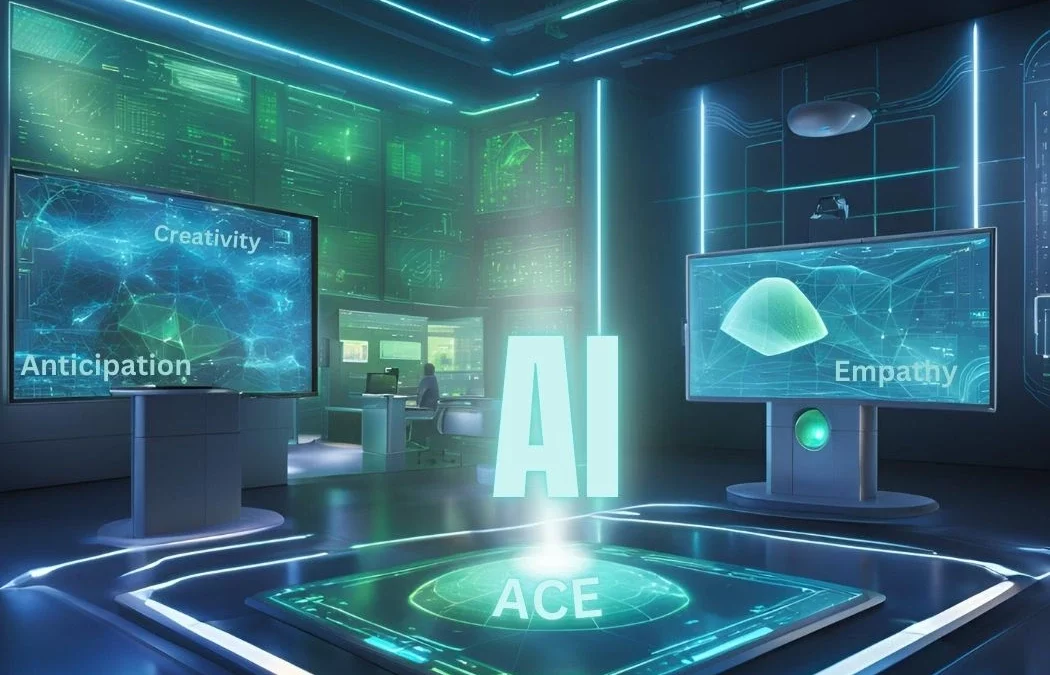
ACE Framework: Anticipation, Creativity, and Empathy – Revolutionizing Customer Service with AI
Visual Design
Visual Design is key to creating captivating websites. It combines aesthetics and functionality to enhance user experience and reflect brand identity. Learn its significance, benefits, and tips for exceptional web design.

Speed Up Your Workflow with These Powerful Task Manager Keyboard Shortcut
Building Exceptional Websites with Gegosoft Technologies’ PHP Developers in India
Browse Blogs
Recent Posts
- How to Integrate AI Voice Agents Into Web and Mobile Applications

- ChemTracker: Chemical Inventory Management Software Built for the Compliance Reality of Indian Laboratories and Manufacturers
- Hospital Management Software in India: What to Build, What It Costs, and Who Builds It Right

- eCommerce Development Company in India: Build a Store That Sells, Not Just One That Loads

- Custom Software Development and Web Design Services: A Complete Guide for Growing Businesses
- Software Development Company in Tamil Nadu: How to Evaluate, Compare and Choose With Confidence
- Web Design Company in Madurai: What to Look For, What to Pay, and Who Delivers
- SaaS Development Company in India: Build Your Subscription Platform With the Team That Runs Its Own
- Outsource Software Development to India in 2026: What to Know Before You Sign a Contract — and How to Get It Right

- Digital Marketing Services in India: Traffic That Converts, Rankings That Last, Results You Can Measure

- Responsive Web Design Company in India:Transparent Pricing, Fast Delivery, Websites That Actually Convert

- Custom Software Development Company in India 2026: Built Scalable Business Software, Not the Other Way Around

- SaaS Software Development: Build Scalable, Subscription-Based Platforms That Grow While You Sleep

- Healthcare Software Development: Build Secure, Scalable Digital Health Solutions That Transform Patient Care

- Agentic AI and Software Development Services: The Future of Technology Consulting in Tamil Nadu