
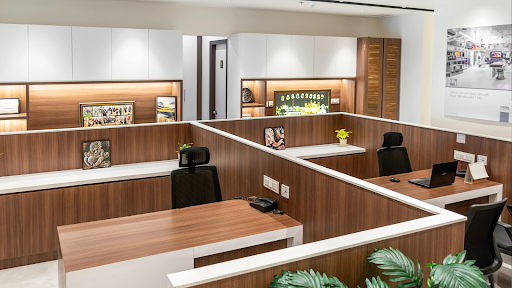
Here’s something most founders don’t realize until it’s too late: your office space isn’t just where work happens. It’s basically a secret weapon that shapes everything from how your team collaborates to whether they’ll stay with you for the long haul. Those old-school cubicle mazes? They’re dying out fast. The smartest startups have figured out that modern workspaces aren’t just about looking cool; they directly influence your revenue, team morale, and your chances of snagging exceptional talent in today’s brutal hiring landscape.
Why Modern Workspaces Actually Matter to Your Bottom Line
Sure, everyone talks about workspace innovation. But let’s get real, what does this actually mean for your bank account? Here’s where we dig into the concrete numbers that prove workspace design is a business strategy, not interior decorating.
The Real Numbers Behind Workspace Investment
Listen, the data here is genuinely compelling. Creative offices can cut turnover by 25-40 percent, with savings for an annual 100-person business reaching $375,000 to $600,000. For any startup watching its runway, that’s massive.
People simply stay longer in modern workspaces. It’s measurable across every single metric you’d care about. When your team actually enjoys being in the office and feels inspired by their surroundings, they’re far less likely to jump ship. During those crucial scaling moments, this stability becomes absolutely priceless.
What Actually Costs Less: Traditional Leases or Flexible Spaces?
So these retention numbers sound great, but here’s what every bootstrap-minded founder really wants to know: what about the price tag?
Here’s the thing: when you’re just getting started, a small coworking space usually makes the most sense. You get professional amenities immediately without hemorrhaging cash on deposits, furniture, IT setup, and all those sneaky maintenance contracts. Those hidden costs? They’ll absolutely wreck an early-stage budget.
The scalability factor alone makes flexible spaces worth considering. Your team might double next quarter. Or you might pivot to remote-first. A five-year lease becomes an anchor when you need wings. During tight fundraising periods, this flexibility can literally save your company.
What Investors Think When They See Your Office
Beyond your internal metrics and budget spreadsheets, your workspace sends strong messages to the people holding your funding fate.
VCs absolutely notice how you spend money. Dropping $15,000 monthly on some swanky downtown office before you’ve hit product-market fit? Red flag city. Meanwhile, coworking spaces for startups show you’re financially disciplined while keeping things professional. Investors respect founders who obsess over growth metrics instead of impressive office addresses.
What’s Actually Working in Startup Spaces Right Now

Okay, we’ve covered why this matters financially. Now let’s talk about the specific design approaches that are delivering real results for startups in 2025.
Bringing Nature Inside Your Office
Plants and natural elements aren’t just Instagram bait, they genuinely boost performance. Living walls and greenery improve air quality while dialing down stress. Even simple touches like wood grain desks or stone features can create that calm-but-focused vibe your team needs.
Natural light deserves its own conversation. Positioning workstations near windows or strategically placing mirrors costs practically nothing but delivers serious cognitive benefits. Your brain works better with proper daylight exposure. Simple as that.
Making Your Space Actually Smart
While nature-inspired elements support wellbeing, technology ensures your workspace runs smoothly without constant management overhead.
IoT sensors reveal which areas your team actually uses versus which just look good. The hybrid work model is expected to increase from 42% in 2021 to 81% in 2025. This information helps you right-size your office space for startups as flexible schedules become standard.
Smart thermostats adjust based on who’s actually there, cutting utility bills while keeping everyone comfortable. Contactless entry systems and desk booking apps make daily operations frictionless.
Designing for Remote-First Reality
While sustainability matters for tomorrow, hybrid-optimized design addresses how your team works today.
Hot-desking works brilliantly when done right. You need clear protocols around cleaning and storage, or it becomes chaotic fast. Some companies pick specific “all-hands” days to maximize face time while keeping flexibility intact.
Video infrastructure cannot be an afterthought anymore. Every meeting room needs quality cameras, mics, and displays. Spaces specifically built for distributed collaboration bridge that physical-virtual gap, defining modern work.
Building Blocks of a High-Performance Startup Office
These trends sound great conceptually, but what does implementation actually look like? Let’s break down the essential zones every effective startup office requires.
Spaces That Spark Collaboration
Open brainstorming zones with writable surfaces transform walls into thinking canvases. Covering walls in whiteboard paint or glass panels encourages spontaneous ideation. These areas should energize people, not drain them.
Modular furniture adapts to whatever you need. Today’s quick standup morphs into tomorrow’s design sprint. This flexibility proves critical when your startup office design must evolve alongside team changes.
Quiet Zones for Actual Deep Work
Collaboration matters hugely, but so does focused concentration when you need to ship difficult work.
Soundproof pods offer sanctuary for demanding tasks. Coding sessions, financial modeling, pitch deck creation, your team needs escape routes from open-office chaos. Quiet library-style areas provide alternatives when pods are full.
Meeting Rooms That Actually Make Sense
Beyond casual collaboration, you need purposeful spaces for structured discussions and client meetings.
Size your conference rooms realistically. A 20-seat room sits empty 90% of the time in a 15-person startup. Multiple smaller rooms serve varied meeting needs more efficiently. Phone booths for private conversations protect confidentiality without tying up full conference spaces.
Matching Your Workspace to Your Growth Stage
Understanding workspace principles helps, but the right solution changes dramatically depending on where you are in your startup journey.
Early Days: Keep It Flexible
Pre-seed and seed-stage startups need maximum flexibility while controlling fixed expenses. Home offices work temporarily, but they can’t replicate the energy and boundaries that physical workspaces create. Culture-building becomes nearly impossible when everyone’s scattered.
Geographic flexibility also matters tremendously during early hiring phases. Without a permanent office commitment, you’re not geographically constrained in recruiting. This openness becomes a genuine competitive advantage when hunting for specialized skills.
Series A: Time for Your Own Space
Once you’ve proven product-market fit and closed Series A, your workspace requirements naturally evolve beyond pure flexibility.
Private suites inside coworking buildings hit a sweet spot. You get a dedicated territory for your growing team while keeping access to shared amenities and networking. Short-term office lease negotiations become simpler when you demonstrate consistent growth trajectories.
Your Workspace Questions Answered
1. What’s the ideal square footage per employee for a startup office?
Plan for 150-175 square feet per person in traditional offices. Coworking environments typically allocate 100-125 square feet due to shared amenities and hot-desking arrangements that maximize efficiency.
2. How do modern workspaces improve startup employee retention rates?
Better environments reduce stress, increase satisfaction, and demonstrate that leadership values employee experience. Physical spaces that support diverse work styles help team members perform at their best consistently.
3. What workspace amenities provide the highest ROI for startup productivity?
Ergonomic furniture, reliable high-speed internet, and quiet focus areas consistently deliver measurable returns. Natural light and temperature control follow closely, affecting both health and performance outcomes significantly.
Take Action on Your Workspace Strategy
Modern workspaces aren’t optional anymore; they’re fundamental competitive advantages for growth-focused startups. The evidence clearly demonstrates that embracing workspace trends 2025 directly impacts retention, productivity, and how investors perceive you.
Whether you’re bootstrapping from a coworking desk or planning a custom buildout, the core principles stay constant: prioritize flexibility, accommodate different work styles, and build environments where exceptional work naturally happens.
Your workspace strategy deserves equal attention to product development and customer acquisition. Evaluate your current situation today; your future trajectory genuinely depends on getting this right.